
Taoiseach says Government not responsible for actions of unions as strike looms
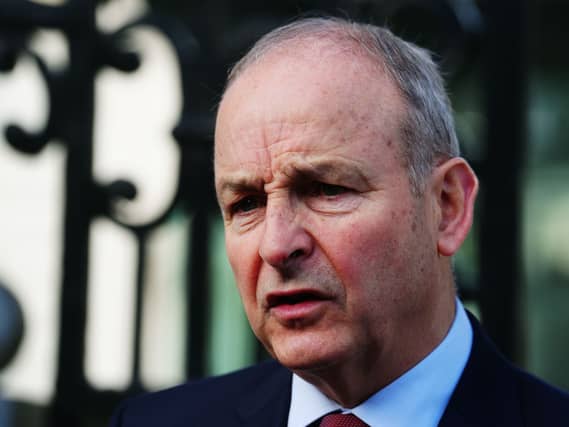

Public sector workers are preparing for a 24-hour national walkout on the same day as a major EU presidency event.
The Government is “not responsible” for the public sector union strike, the Taoiseach has said.
Union members are preparing for a 24-hour national walkout on the same day as a major EU presidency event.
Micheál Martin said the Government believes “the room is there” for an agreement “if people want to have a deal”.
Speaking before Cabinet, Mr Martin said the Government had committed not to say anything to undermine the “good faith nature of the talks”.
On Friday, it emerged that unions were preparing to strike on Wednesday November 11 if the talks ended without agreement that day – which is ultimately what transpired.
On Monday, unions announced the strike would instead be on Thursday November 12, which will coincide with the largest event of Ireland’s presidency of the Council of the European Union.
The European Political Community (EPC) summit will see around 50 heads of state and leaders of other international bodies visit Dublin.
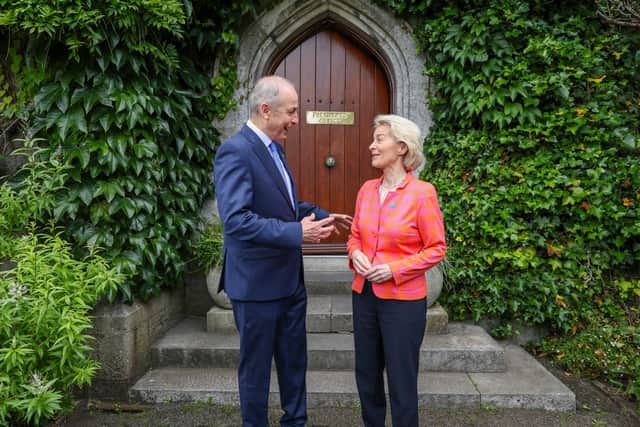
A rank-and-file Garda work-to-rule is also planned in the days around the event in a dispute over their working conditions.
Asked if he had concerns around the decision for the public sector strike to be held on the same day as the EPC, Mr Martin said: “I think that is a matter for people to observe, I’m not going to comment any further on it – it seems clear.
“We also – prior to the weekend – committed in good faith not to say anything over the weekend that would in any way undermine the process and undermine the good faith nature of the talks that have taken place so far.”
He told reporters: “We are not responsible for actions that unions may take.”
Mr Martin said the Government had engaged in negotiations in “good faith”, and the pay offer put forward came on top of tax cuts and “other significant” Budget measures on childcare, disability and the cost of living.
The Fianna Fáil leader added: “We’ve been very consistent all along in terms of our approach in endeavouring to arrive at a deal in relation to a national pay agreement.”
Asked about the pay offer from the Government, Mr Martin said: “It needs to be fair, and we have to be conscious of the taxpayer, and we have to be conscious of the overall sustainability of anything we do in terms of Government finances and so on.
“But that said, we believe that the room is there to get a deal done if people want to have a deal.”
Unions have said the EU event was not intentionally targeted and the date change was “more driven by logistical considerations” and a desire to vary from the last national strike which was on a Wednesday.
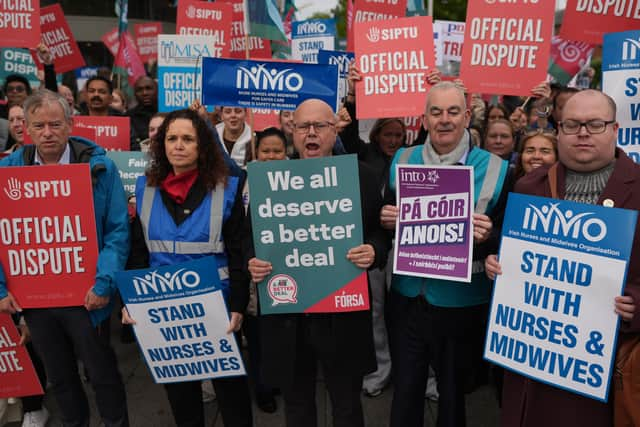
Hundreds of thousands of public sector workers participated in that nationwide walkout, which saw impacts including the closure of schools, the rescheduling of thousands of non-emergency hospital appointments, and the cancellation of driving tests and most court hearings.
The Tánaiste said Government had been briefed on Monday about security plans for the EPC, which will be the largest gathering of international heads of state ever held in the country.
Asked if it could still go ahead, Simon Harris said it would be “much more preferable” if the strike did not occur that day “or any other day”, but told reporters: “It’s a very, very significant logistical operation – but I am satisfied that there’s very robust security plans in place.”
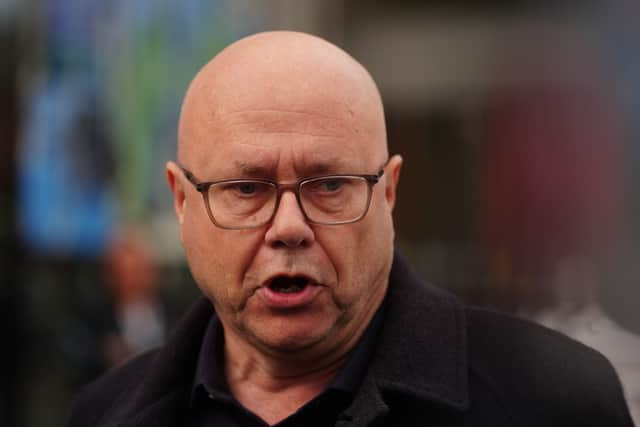
The public services committee (PSC) of the Irish Congress of Trade Unions said on Monday the Government had “yet to make a credible offer to resolve the current dispute”.
In a statement, it said: “Preparations are now under way for a 24-hour work stoppage on Thursday November 12.
“A rally in Dublin, alongside regional rallies, will mark the strike action and bring members together in support of a resolution.”
PSC chairman Kevin Callinan said they will also be looking at “intensification of our work-to-rule action and other industrial action in the period immediately after the 12th”.
On Saturday, the Workplace Relations Commission (WRC) indicated that after 10 days of intensive talks with unions and the Department of Public Expenditure, it was of the view that certain matters had reached an impasse.
It requested a Government-appointed group formed to assist with the talks should consider relevant matters and “put forward a means of resolution”.
Both parties to the talks are to meet the group on Tuesday.

Mr Harris said it is “really important” a public pay deal is agreed “in the coming days” as he welcomed the parties engaging with the Government-appointed group.
He said he did not believe anyone wanted to see “any more disruption” to services.
“We passionately believe work should always pay, and that should include, obviously, those working in the public service and carrying out really important functions right across our country,” the Finance Minister said.
“I think everybody wants to see a resolution, and there’s a window here, a window of opportunity over the course of the next few days to try and get this done.”
Asked if he is concerned about how visiting heads of state will perceive the strikes, Mr Harris said: “I’d be much more concerned about the impact that it will have on public services.”
“I have huge respect for those who work in our public services – remember, we are a Government that wants to increase the pay of all public servants.
“But no parent wants to see the school closed again, nobody wants to see a hospital appointment cancelled again – and people working in the public services don’t want to see that either.”