
‘Grim situation’ – HSE quizzed by Oireachtas Committee on 781 million overspend
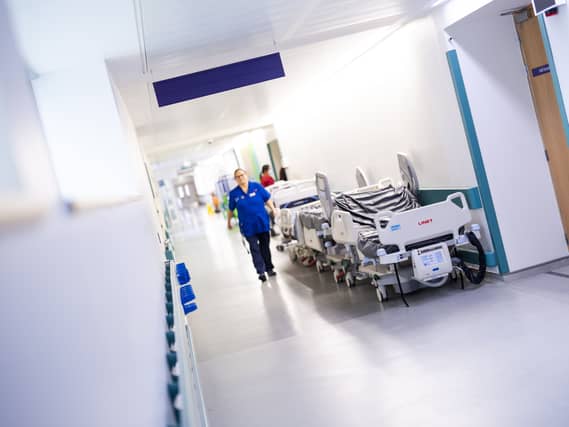

The HSE told the Budget Oversight Committee it has overspent by 781 million euro this year so far.
The Health Service Executive (HSE) had overspent its budget by 781 million euro by the end of October, assistant secretary general at the Department of Health, Louise McGirr said on Tuesday.
Ms McGirr told the Budget Oversight Committee that health spending accounts for nearly a quarter of Exchequer spending.
HSE spending is growing at a rate of 9%, compared to a budgeted growth of around 5%, she told the Oireachtas with a 10.6 billion euro increase from 2019 to the end of 2025, with 30,000 more staff members hired in that time.
Ms McGirr said that there are considerable demand increases on the executive, with emergency department attendances up 7%, with 98,300 more presentations nationally than in the same time period last year, to over 1.4 million.
She said expenditure on medicines, pensions, and state claims, alongside higher prices and lower private patient income are also factors, as well as an aging demographic, with 9% more adults aged 75 and over.
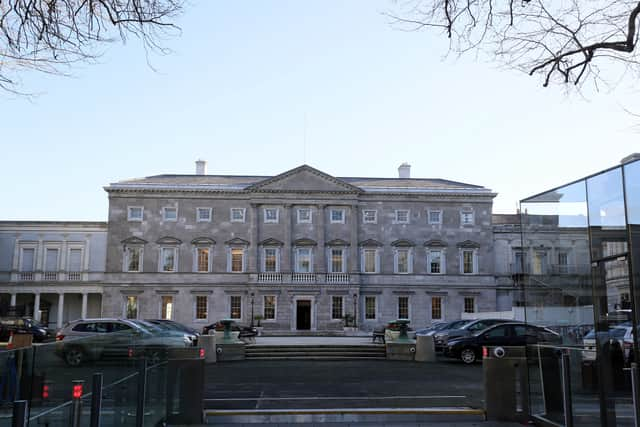
However, she said, HSE spending is still too high to be explained by these factors.
“Demand and cost pressures are real, but they don’t fully explain the overspends we have in health. Investment is delivering more care, but activity has not kept pace overall with spending,” she said.
“We must prioritise resources and improve productivity to deliver more care and shorter waits for patients.
“A growing and aging population makes this even more urgent if we are to meet future levels of demand.
“Patients, of course, must get the medicines they need, but paid spending also exceeds budget with continued over reliance on agency and overtime.
“Replacing agency and overtime hours with permanent staffing, where appropriate, can save money.”
People Before Profit TD, Richard Boyd Barrett questioned how there could be such an overspend when elements of the HSE operate so poorly.

He revealed that he received an email from a consultant ophthalmologist claiming 5000 people are waiting up to five years for an appointment.
“I have to say it’s quite a puzzle trying to figure out what’s wrong, to put it mildly, in the health service,” he said.
“I was just reading an email I got from a consultant ophthalmologist about the situation in Letterkenny Hospital, where he describes 5000 people waiting for their first appointment for an eye doctor, waiting up to four to five years.
“It’s supposed to be reviewed every six months, but they are waiting three to four years for a follow up, and he says at the end of his email to me, ‘I want to leave the HSE due to the impact all of this is having on my own health’.
“So this is a pretty grim situation. I’m just trying to understand what is going on.”
In the letter to the HSE, Cork University Hospital chief executive, Jennifer Kearney, said that the hospital is facing a staff shortage of more than 1,000 people.
On Tuesday, Mr Boyd Barrett asked how there can be such an issue with patients accessing services, when there are thousands of vacant HSE posts.
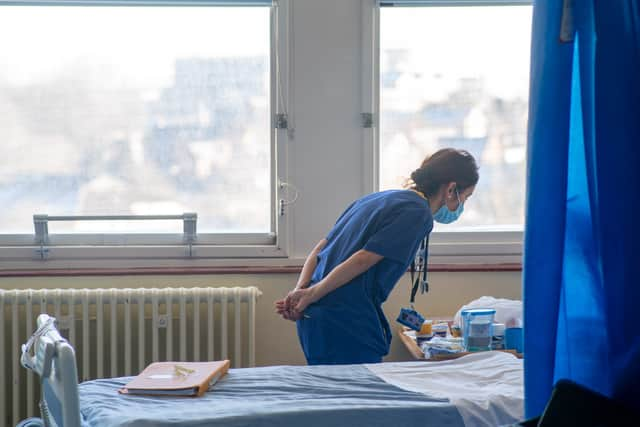
Ms McGirr responded saying that Ireland’s hospitals are already overcrowded and to add more staff would increase overcrowding rather than remedy it.
She added that Emergency Departments (EDs) are under “enormous” pressure, with a 12% increase in traffic in CUH, but that the issue is a “an ED structural problem”, not lack of staff.
“So you can go into a hospital, and it can feel very very pressured with staff shortages, and think the answer needs to be more staff.
“We’ve gone up 87% in funding since 2019, and our consultants have gone in the last five years from 3,000 to 5,000,” she said.
“Is the answer to continue putting more and more into those crowded EDs?
“Or is it to actually do what we intended with Sláinte care, shift the care, embrace new technologies, use virtual care, take people out who do not need to be an ED, who could be seen elsewhere or could benefit from community prevention?
“So both things are true.
“They’re experiencing a lot of pressure in ED for sure but the solution to it is not necessarily to throw more staff and more money at the same crowded infrastructure that we have in our hospitals, which is a big part of the reason why we’re trying to extend day and week.
“We have increased our most expensive resource from 3,000 to over 5,000 just during my tenure in this job in the last five years.
“That’s a really significant investment that we need to get a return on.”